
What Teeth Are Not Suitable for Composite Bonding?
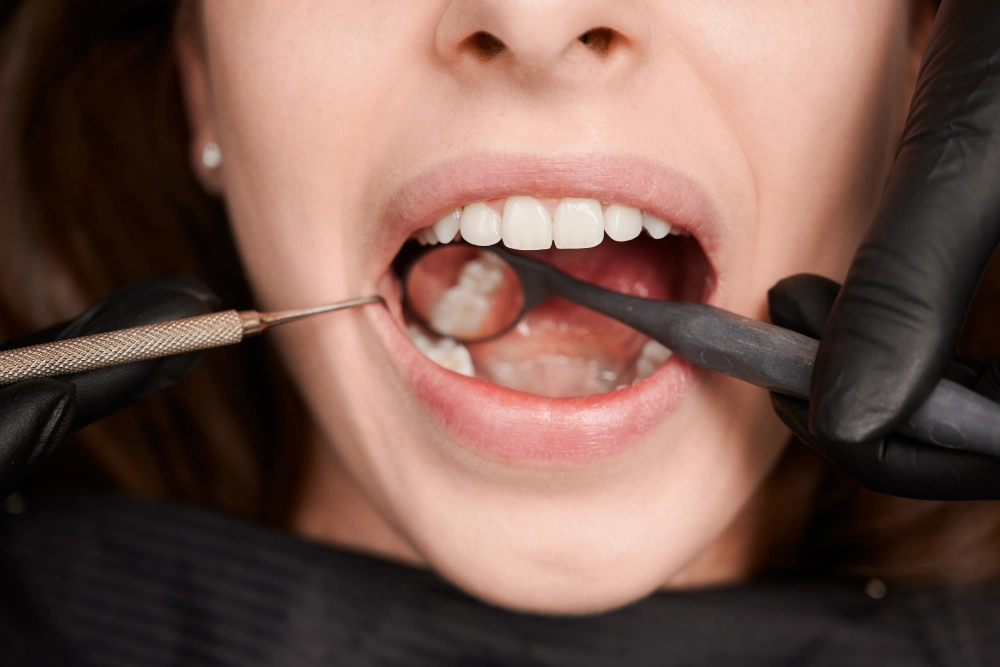
Considering composite bonding but not sure if it’s right for your teeth? Composite bonding can dramatically improve the appearance of damaged or imperfect teeth, but it isn’t suitable for every case.
Dental bonding isn’t suitable for teeth that are significantly damaged, surrounded by unhealthy gum tissue, severely crooked or stained, or subject to teeth grinding.
What Teeth are Unsuitable for Composite Bonding?
Badly Damaged Teeth
Composite bonding is typically not suitable for restoring a tooth that’s significantly decayed, fractured, or structurally compromised. In this case, the remaining tooth structure may not provide a stable enough foundation for the resin to bond to effectively.
Severely Crooked Teeth
Extremely crooked teeth are not good candidates for composite bonding because the amount of material required would make the teeth look bulky or disproportionate, and overall, somewhat unnatural. . Composite bonding works best with a thin layer of resin, and using excessive material to mask significant misalignment would compromise the natural look it’s designed to achieve.
Teeth Affected by Gum Disease
Gum problems can make the teeth around them loose or unstable. They can compromise the tooth’s ability to fully bond with the composite material, causing it to shift or fall out before long. You can still restore a tooth with composite bonding, but only after the gum problem is resolved.
Severely Stained Teeth
Composite bonding can improve the appearance of mild surface staining on teeth, but it is less effective for deeper, intrinsic discolouration.. Because the resin layer is thin, it cannot fully mask severe staining which is better managed with porcelain veneers or dental crowns.
Teeth Grinding
Habitual teeth grinding (bruxism) puts a lot of pressure on the teeth. It can result in the composite material wearing down prematurely or breaking much sooner than its expected 5-10 year lifespan. The excessive force can also weaken the resin, causing it to become more susceptible to stains. If your grinding is managed with a night guard, your dentist may still consider you a suitable candidate.
Composite Bonding in Wigan at Circ Dental
Get your teeth restored by an expert team at Circ Dental – a family-run dental practice with a warm, welcoming atmosphere. Using state-of-the-art technology in a comfortable environment, we aim to make your treatment and overall experience stress-free.
Planning to solve that damaged tooth problem once and for all? We can help restore your smile with composite bonding. Contact us now to book an appointment.
FAQs
1. Is composite bonding stain resistant?
No. The composite resin material can absorb stains over time. To protect it from discolouration, it’s best to limit your teeth’s exposure to staining culprits such as coffee, dark soda, beets, and tobacco smoke.
2. Does composite bonding look unnatural?
No. It’s designed to match your natural tooth shade, so it fits in perfectly with your smile. It won’t be obvious that you had cosmetic work done to restore your teeth after the treatment.
3. Can composite bonding be done on severely crooked teeth?
Yes, but the teeth should be straightened first with an orthodontic treatment. This way, only a minimal amount of bonding material would need to be applied to improve the appearance of the straightened teeth.
4. Is composite bonding permanent?
No. With proper care, it can last 5–10 years before the bonding material needs to be repaired or replaced. In some cases, the lifespan is shorter if the resin becomes badly stained or damaged due to heavy wear and tear.
5. Will composite bonding work if the tooth has a large cavity?
No. In this case, the tooth will not be strong enough to support the resin material, which might end up falling out and exposing the whole structure to even more damage. The cavity would need to be treated first before any cosmetic work is considered.
6. Is composite bonding suitable for molars?
Yes, but it’s ideal only for minimal repairs. If the molars are significantly damaged, they would benefit more from having onlays or inlays that restore both their function and appearance.
7. Can composite bonding whiten teeth?
No. It’s only designed to match the colour of the affected tooth. If you want to have brighter teeth, it’s best to have a tooth whitening treatment before composite bonding for overall aesthetic improvement. This is because composite resin doesn’t respond to whitening agents, so the shade is set at the time of bonding.
8. Is composite bonding good for stained teeth?
Yes, but only if the stains are mild. It’s unsuitable for extremely discoloured teeth, which can be improved more effectively by other cosmetic procedures such as porcelain veneers.
Book a consultation with the Circ Dental team
Get personal guidance on treatment options, dental concerns, and the next best step for your smile.