Why check at age 7? My child still has loads of baby teeth!
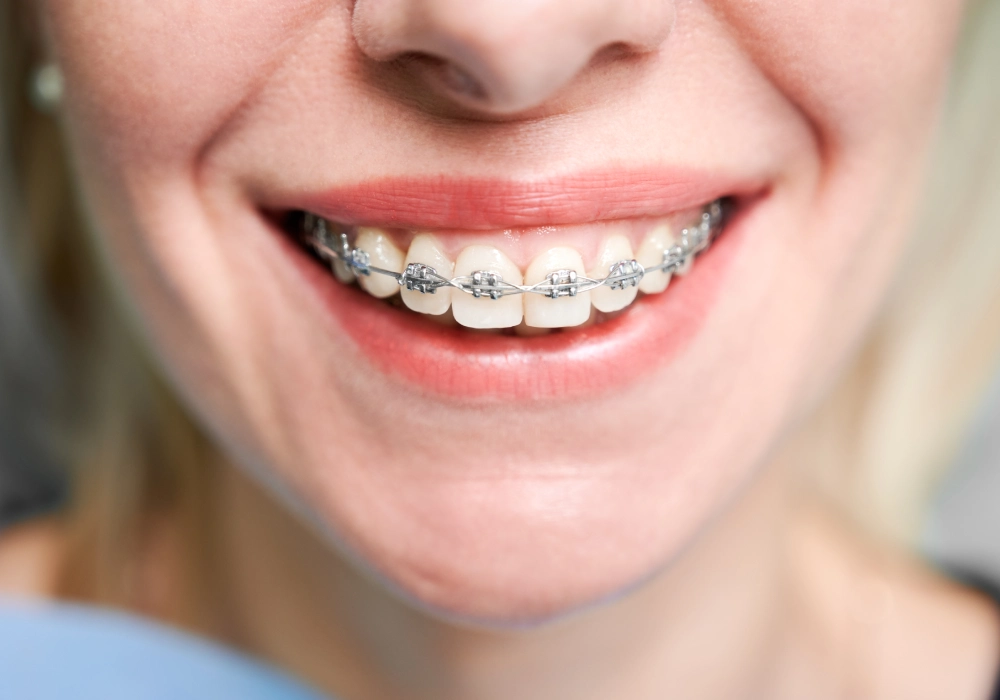
We use modern braces and aligners to intercept developing issues and guide your child’s jaw development and teeth positioning during their crucial formative years.
Orthodontics for children in Wigan isn’t just about fixing crooked teeth for moody teenagers anymore. It’s as sophisticated as clinical disciplines get today.
At Circ Dental, we think of it as architectural planning for your child’s face and smile. We’re working with biology. Children are growing. Their jaws are developing. Their teeth are moving. We use this natural momentum to guide everything into the perfect position.
With adult orthodontics, we’re moving teeth within a fixed, fully-grown jaw. So, changes are harder to make. But, when treating children, we get a few magical windows of opportunity:
By intervening early (6-14), we can also widen their jaws to make space for their adult teeth. We use our state-of-the-art iTero 3D scanner (no messy, gag-inducing putty!) to get a precise map of your child’s mouth.
Then, we customise the treatment for their oral profile. The treatment might involve:
Circ Dental’s orthodontics for children in Wigan set your child up for a lifetime of healthy dental function.
Confidence
Adolescence is hard enough. Misaligned teeth cause self-consciousness issues. Correcting these issues early builds a foundation of confidence. This foundation transforms how the child interacts with the world.
Oral Health, for Life
If teeth sit in the right position, the hiding places for plaque are less. Naturally, there are fewer chances of dental decay and gum issues as they grow older.
Preventing Bigger Problems
Cross-bites, open bites, and protruding under-bites – fixing these skeletal issues now while the jaw is growing is infinitely easier than trying to fix them later when the bone is set.
Early intervention can also eliminate:
Avoiding Future Surgery
Early guidance of the jaw can correct skeletal problems that, if left until adulthood, would require complex jaw surgery.
Initial Consultation
The British Orthodontic Society recommends getting check-ups with ‘orthodontically-focused’ dentists by age 7. We perform a gentle exam. We take a comfortable 3D scan. And, we assess how their jaw is growing and where the adult teeth are.
Plan
Based on the assessment, we decide on one of three paths:
We discuss all options, from metal braces to Invisalign , with zero pressure.
Active Treatment
This is the main treatment phase. It typically lasts 18-24 months. It involves:
Our dental hygienists coach your child keeping their teeth healthy during the treatment.
Reveal (De-bond)
The best appointment of all! The appliance comes off, and we polish their new, beautiful, straight smile.
Retention
Teeth have memory. They WILL TRY to drift back. The retention phase is what protects your investment and hard work. It is lifelong. This usually involves a small, fixed wire bonded invisibly behind the front teeth and/or a clear, removable retainer worn at night.
Aftercare
We show your child how to:
FAQs
Why check at age 7? My child still has loads of baby teeth!
The NHS provides excellent care but has strict criteria (called the IOTN score) for who qualifies for free treatment. This usually means only moderate-to-severe cases are covered.
And, the waiting lists can be very long (3-6+ months). Private orthodontics for children in Wigan, which we offer, means you can start immediately.
Only a bit, for a few weeks after treatment. But they’ll be mild aches, not sharp pains. We’ll teach you how to minimise and manage that.
Invisalign Teen is fantastic. It’s removable, invisible, and easier to clean. However, it only works if it’s worn 20-22 hours a day. Fixed braces are the ‘non-compliant’ friendly option. They are on 24/7, doing their job.
Braces are so common now that the stigma is almost gone. Many younger kids even love choosing the different coloured bands!
Give us a call. We get them in for a simple repair.
We’ll be their hygiene coach and teach them how to brush and floss with braces on.
18-24 months (or less).
For further details on this course of treatment
Back to Treatments